
Are you tired of dealing with issues in your borewell? As a borewell owner, you might face problems like low water flow, pump troubles, or even poor water quality. These issues can disrupt your water supply if not addressed on time. In this guide, we’ll discuss the top 5 common borewell problems and offer practical solutions to help you maintain a steady and safe water supply for your home or farm.
Key Takeaways
Regular maintenance is a must: Routine checks and cleaning can prevent problems like blockages and pump failures.
Water quality testing is important: Testing your borewell water regularly helps identify contamination and ensures safe usage.
Consult professionals when needed: For serious issues, getting expert advice can save you time and money in the long run.
Problem 1: Poor Water Quality
One of the biggest concerns for borewell owners is water contamination. It can make the water unsafe for drinking and other uses.
How to Identify Contamination
Water may look muddy or smell bad.
It may contain harmful chemicals, bacteria, or excess minerals like iron and arsenic.
Solutions
Water Testing: Get your borewell water tested regularly by a certified lab.
Water Treatment: Depending on the problem, install systems like filters, reverse osmosis (RO), or UV purifiers. Consult an expert to choose the right treatment method.
Problem 2: Low Water Yield
If your borewell isn’t providing enough water, it can be frustrating and disrupt your daily activities.
Causes of Low Yield
Decrease in groundwater levels.
Borewell blockage or poor design.
Solutions
Check the Borewell Performance: Measure water levels or hire a professional to conduct a yield test.
Increase Yield: Techniques like hydrofracturing (creating cracks in rocks to increase water flow) or re-drilling the borewell can help. Rainwater harvesting is another effective long-term solution.
Problem 3: Pump Failures
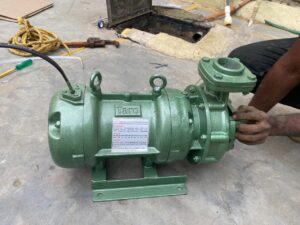
A malfunctioning pump can stop water supply completely, causing major inconvenience.
How to Avoid Pump Issues
Preventive Maintenance: Clean and lubricate the pump regularly. Inspect it for wear and tear.
Troubleshooting: If your pump is noisy or water flow is inconsistent, get it checked by a technician immediately.
Solutions Quick Fixes
Check the power supply and connections.
If the problem persists, call a professional for repairs.
Problem 4: Declining Water Levels
Continuous extraction without recharge can lead to a drop in the water table, leaving your borewell dry.
How to Detect Water Table Depletion
You notice less water coming from the borewell.
The pump needs to go deeper to draw water.
Solutions
Rainwater Harvesting: Collect and store rainwater to recharge groundwater.
Efficient Water Use: Use water-saving appliances and avoid wastage.
Problem 5: Legal and Regulatory Issues
Many borewell owners face trouble with local authorities due to lack of compliance with laws.
What You Need to Do
- Register Your Borewell: Make sure your borewell is registered with the local authorities.
- Follow Usage Rules: Stick to guidelines for water extraction to avoid fines or legal problems.
Conclusion
Owning a borewell comes with its challenges, but regular maintenance and timely solutions can prevent most problems. Keep an eye on water quality, maintain your pump, and use water responsibly to ensure a consistent supply. When in doubt, consult an expert to address issues effectively and sustainably.
FAQ
Q: What are the most common borewell problems?
Low water yield, pump issues, clogging, poor water quality, and water table depletion are common problems.
Q: How can I increase my borewell’s water yield?
You can try techniques like hydrofracturing, deepening the borewell, or using rainwater harvesting to recharge groundwater.
Q: What should I do if my pump stops working?
A: First, check the power supply and connections. If the issue persists, call a technician for repairs.
Q: How do I prevent clogging in my borewell?
Regular cleaning, sealing the borewell casing, and using proper filters can prevent clogging.
Q: What are the common water quality issues in borewells?
A: High levels of minerals like iron or salinity, and bacterial contamination. Use filters or water treatment systems to fix these issues.
Popular Categories
Get In Touch
Latest Post
December 9, 2024