Borewell pumps play a vital role in households, farms, and industries by providing reliable access to groundwater. However, without proper care, these pumps can become inefficient, prone to breakdowns, and even hazardous. In this blog, we’ll share essential tips to maintain your borewell pump, from regular inspections to preventive measures, to keep it functioning optimally for years to come.
Key Takeaways
Regular maintenance ensures the long-term efficiency and reliability of borewell pumps.
Monitoring water levels and installing water level sensors can prevent damage caused by dry runs.
Proper installation, including correct depth placement and using quality materials, enhances pump longevity.
Understanding Borewell Pumps
Borewell pumps are indispensable in areas where municipal water supply is limited, drawing groundwater for domestic, agricultural, and industrial use. Familiarizing yourself with their components and functionality helps in maintaining them effectively.
Basic Components and Functionality
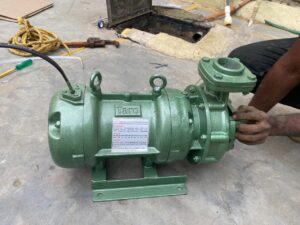
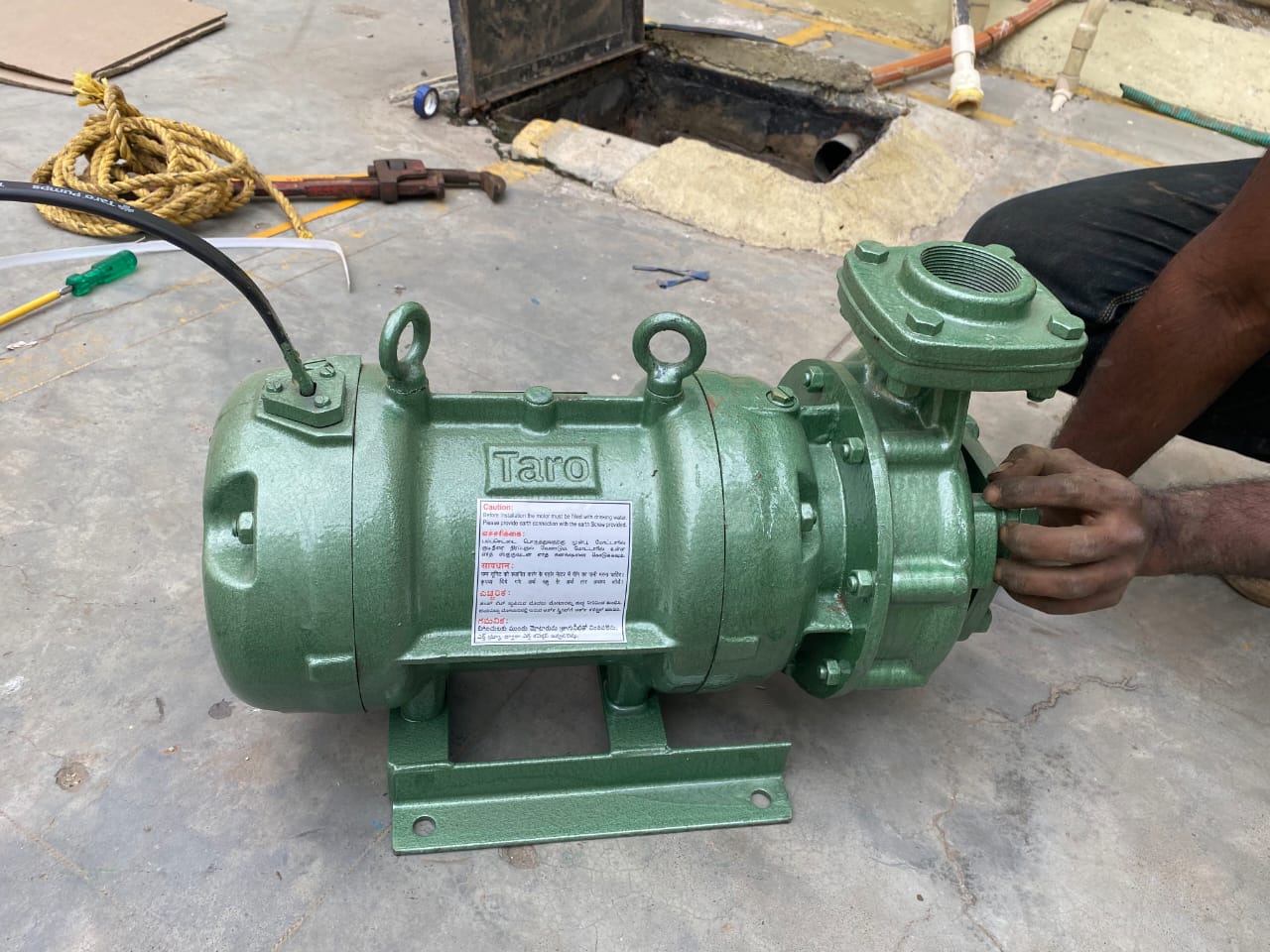
A borewell pump typically consists of a motor, pump unit, and pipes that extend into the borewell. The motor powers the pump to extract water and deliver it to the surface. Factors like borewell depth, diameter, and water table level determine the type and capacity of the pump required.
Common Types of Borewell Pumps
Choosing the right pump depends on the borewell’s depth and application:
- Submersible Pumps: Ideal for deeper borewells as they operate underwater.
- Jet Pumps: Suitable for shallow borewells.
- Centrifugal Pumps: Commonly used in agriculture and industry.
Essential Maintenance Tips
Regular maintenance prevents costly breakdowns and ensures consistent performance. Here’s how to keep your borewell pump in top condition:
1. Regular Cleaning and Inspection
Clean the pump periodically to remove debris and sediment.
Inspect for leaks, unusual noises, or vibrations that could indicate wear.
2. Preventive Measures to Avoid Damage
Install filters to prevent debris from entering the pump.
Ensure proper ventilation to avoid overheating.
Monitor water levels and pressure to prevent dry runs or overloading.
3. Timely Repairs and Part Replacement
Replace worn components such as seals, bearings, and impellers promptly.
Address minor issues early to avoid major malfunctions.
4. Monitor Pump Performance
Keep track of water pressure and flow to detect issues early.
Consider professional servicing at least once a year for thorough maintenance.
Essential Maintenance Tips
Regular maintenance prevents costly breakdowns and ensures consistent performance. Here’s how to keep your borewell pump in top condition:
1. Regular Cleaning and Inspection
Clean the pump periodically to remove debris and sediment.
Inspect for leaks, unusual noises, or vibrations that could indicate wear.
2. Preventive Measures to Avoid Damage
Install filters to prevent debris from entering the pump.
Ensure proper ventilation to avoid overheating.
Monitor water levels and pressure to prevent dry runs or overloading.
3. Timely Repairs and Part Replacement
Replace worn components such as seals, bearings, and impellers promptly.
Address minor issues early to avoid major malfunctions.
4. Monitor Pump Performance
Keep track of water pressure and flow to detect issues early.
Consider professional servicing at least once a year for thorough maintenance.
Essential Maintenance Tips
Regular maintenance prevents costly breakdowns and ensures consistent performance. Here’s how to keep your borewell pump in top condition:
1. Regular Cleaning and Inspection
Clean the pump periodically to remove debris and sediment.
Inspect for leaks, unusual noises, or vibrations that could indicate wear.
2. Preventive Measures to Avoid Damage
Install filters to prevent debris from entering the pump.
Ensure proper ventilation to avoid overheating.
Monitor water levels and pressure to prevent dry runs or overloading.
3. Timely Repairs and Part Replacement
Replace worn components such as seals, bearings, and impellers promptly.
Address minor issues early to avoid major malfunctions.
4. Monitor Pump Performance
Keep track of water pressure and flow to detect issues early.
Consider professional servicing at least once a year for thorough maintenance.
Troubleshooting Common Issues
Being proactive in identifying and resolving problems can save time and money.
Advanced Care Strategies
For enhanced performance and extended pump life, consider these advanced maintenance strategies:
1. Optimize Performance with Calibration
Regularly adjust flow rates, pressure settings, and energy consumption to keep the pump efficient.
Maintain optimal pressure to prevent overheating or overloading.
2. Invest in Quality Spare Parts and Upgrades
Replace worn parts with high-quality alternatives.
Upgrade to energy-efficient motors or advanced control systems to improve efficiency and reduce costs.
Summing Up
Maintaining a borewell pump is essential for ensuring its longevity and efficiency. Routine cleaning, monitoring water levels, and timely repairs are simple steps to avoid costly breakdowns. Regular professional inspections and advanced care strategies can further optimize pump performance, ensuring a consistent water supply for years to come.
FAQ
Q: Why is regular maintenance important for borewell pumps?
Regular maintenance extends the pump’s lifespan, improves efficiency, and prevents costly breakdowns.
Q: What are the essential maintenance tips for borewell pumps?
Key tips include routine inspections, cleaning, monitoring water levels, and timely repairs of worn-out components.
Q: How often should a borewell pump be maintained?
Inspect and maintain your pump at least twice a year, or after events like heavy rain or flooding.
Q: What signs indicate a pump needs maintenance?
Reduced water flow, unusual noises, fluctuating pressure, and visible leaks suggest it’s time for maintenance.
Q: Can I maintain my borewell pump myself?
Basic tasks like cleaning and inspections can be done by the owner. For motor repairs or deep cleaning, professional assistance is recommended to ensure safety and efficiency.
Keep your borewell pump well-maintained, and enjoy a reliable water supply year-round!
Popular Categories
Get In Touch
Latest Post
December 9, 2024